
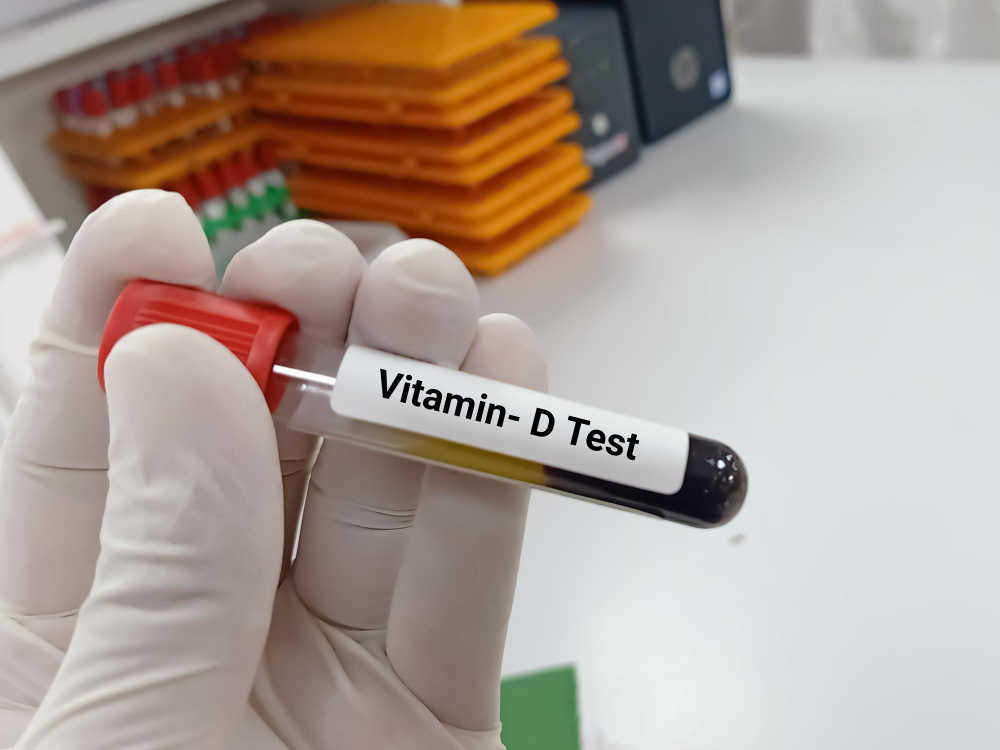
What Is a Vitamin D Test?
A Vitamin D test checks the amount of Vitamin D in your blood. Many people ask, “What is a Vitamin D test?” This simple blood test helps your doctor see if you have enough Vitamin D. In fact, Vitamin D is important for strong bones, teeth, and your immune system. If you live in a city with little sunlight, you may be at higher risk for low Vitamin D. Because of this, doctors often suggest a Vitamin D test for people in such areas.
Why Is a Vitamin D Test Important?
Vitamin D helps your body use calcium. Without enough Vitamin D, bones can become weak. Also, low Vitamin D can affect your mood and energy. For example, some people feel tired or sad when their Vitamin D is low. According to the CDC and WHO, checking your Vitamin D level can help prevent bone problems and other health issues. Therefore, a Vitamin D test is important for your overall health.
Symptoms and Signs That May Prompt a Vitamin D Test
Sometimes, your body gives clues that you need a Vitamin D test. For instance, you may notice:
If you have any of these signs, it is wise to talk to your doctor. They may suggest a Vitamin D test to check your levels.
How the Vitamin D Test Is Performed
Getting a Vitamin D test is quick and easy. First, a nurse or lab worker will clean your arm. Next, they will use a small needle to take a blood sample. After that, your blood goes to a lab for testing. Usually, you do not need to fast before this test. However, always ask your doctor if you need special instructions. The whole process takes just a few minutes.
Understanding Your Vitamin D Test Results
Once your results are ready, your doctor will explain them. Here is what the numbers usually mean:
Keep in mind, your doctor may use different units or ranges. Therefore, always ask what your results mean for you. If your Vitamin D is low, your doctor will guide you on the next steps.
Treatment and Next Steps If Levels Are Abnormal
If your Vitamin D is too low, your doctor may suggest:
On the other hand, if your Vitamin D is too high, you may need to stop supplements. Too much Vitamin D can harm your kidneys and bones. Therefore, always follow your doctor’s advice about treatment.
Prevention and Lifestyle Tips for Healthy Vitamin D Levels
There are simple ways to keep your Vitamin D at a healthy level. For example, you can:
However, too much sun can hurt your skin. So, balance sun time with safety. Also, talk to your doctor before starting any new supplement.
Conclusion
In summary, a Vitamin D test is a simple and effective way to monitor your health. It can help prevent bone-related issues and enhance your overall well-being. If you’re experiencing symptoms or have risk factors, reach out to Dr. Yashwant Kushwaha for a professional evaluation and advice on Vitamin D testing. Consult Dr. Yashwant Kushwaha for personalized care and expert guidance on maintaining optimal Vitamin D levels for your health.