
What is Hepatitis B?
Hepatitis B is a viral infection that affects the liver. The virus spreads through blood, semen, or other body fluids. Many people do not know they have it because symptoms may be mild or absent. However, the infection can cause serious liver problems over time. According to the World Health Organization (WHO), millions of people worldwide live with Hepatitis B. Early detection and care are important for a healthy life.
Common Symptoms
Not everyone with Hepatitis B will feel sick. In fact, some people have no symptoms at all. Still, it is important to know the signs. Early symptoms may appear one to four months after exposure. For example, you might notice:
Sometimes, symptoms are mild and go away on their own. But, in other cases, the infection can become chronic and lead to liver damage. Therefore, it is wise to see a doctor if you notice any of these signs.
Main Causes and Risk Factors
Hepatitis B is caused by the Hepatitis B virus (HBV). The virus spreads when blood or body fluids from an infected person enter another person’s body. There are several ways this can happen. For instance:
Some people have a higher risk of getting Hepatitis B. These include:
Because the virus can live outside the body for at least seven days, it is important to avoid sharing items that may have blood on them.
How Hepatitis B is Diagnosed
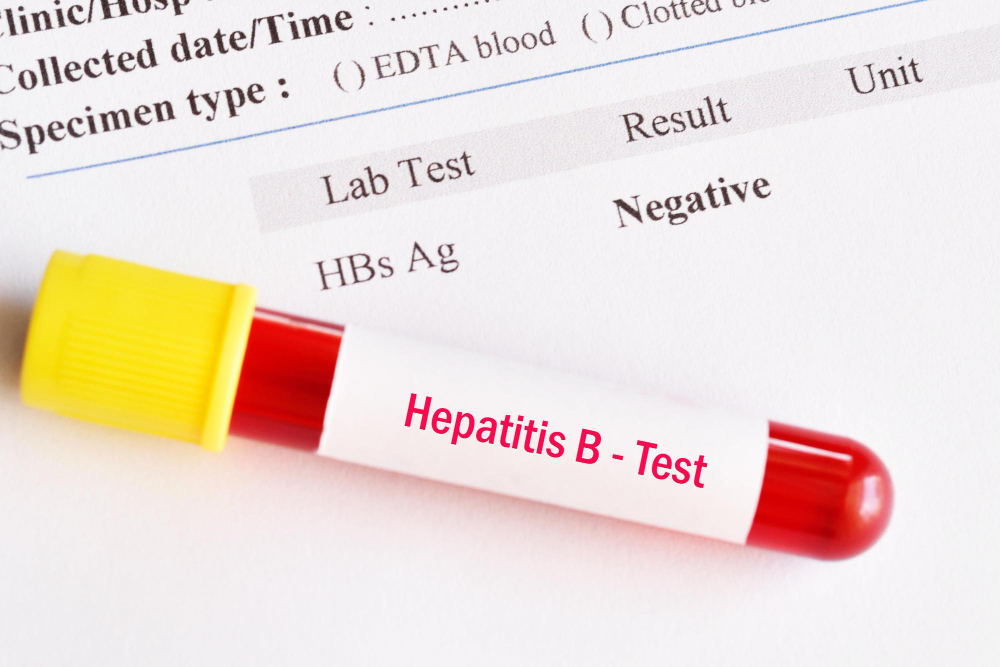
Doctors use blood tests to diagnose Hepatitis B. These tests look for signs of the virus or the body’s response to it. For example, a doctor may check for:
Sometimes, doctors may also order liver function tests. These tests show how well your liver is working. In rare cases, a liver biopsy may be needed. Early diagnosis helps prevent liver damage and spread to others.
Treatment Options
Treatment for Hepatitis B depends on whether the infection is acute or chronic. Acute Hepatitis B often clears up on its own. In these cases, rest, fluids, and healthy food can help. However, chronic Hepatitis B may need long-term care. Doctors may prescribe antiviral medicines to control the virus. These medicines help protect the liver from damage. In some cases, regular check-ups and blood tests are needed to monitor liver health. For severe liver damage, a liver transplant may be considered. Always follow your doctor’s advice for the best results.
Prevention Strategies
Preventing Hepatitis B is possible. The most effective way is through vaccination. The Hepatitis B vaccine is safe and works well. It is given in a series of shots, usually starting at birth. In addition, you can lower your risk by:
Because the virus can spread easily, it is important to take these steps. The Centers for Disease Control and Prevention (CDC) recommends vaccination for all infants and people at risk.
Lifestyle Guidance for Those Affected
If you have Hepatitis B, you can still live a full life. However, you should take steps to protect your liver and others. For example:
Because stress can affect your health, try to manage it with relaxation or support from friends. Regular check-ups are important to watch for liver problems. With the right care, many people with Hepatitis B lead healthy lives.
Conclusion
“Hepatitis B is a serious but manageable condition. Early diagnosis, proper treatment, and prevention can significantly improve your health outcomes. If you believe you may be at risk or are experiencing symptoms, consult Dr. Yashwant Kushwaha for personalized advice on managing Hepatitis B and protecting your health.”