
What is the ASO Test?
The ASO Test, also known as the ASO blood test or ASO titer test, checks for antibodies against a bacteria called Streptococcus. This bacteria can cause throat infections. Sometimes, your body makes these antibodies after an infection. The ASO test helps doctors find out if you had a recent strep infection. Many clinics and hospitals offer the ASO test in their labs.
Why is the ASO Test Done?
Doctors use the ASO test to look for signs of a past strep infection. Often, this test helps when someone has symptoms that may be linked to problems caused by strep bacteria. For example, it can help find out if a sore throat led to other health issues. In some cases, the ASO test helps diagnose conditions that develop after a strep infection.
Symptoms and Conditions Related to the ASO Test
Sometimes, a strep infection can lead to other health problems. The ASO test is helpful if you have symptoms like:
Doctors may order the ASO test if they suspect conditions such as:
According to the CDC, these conditions can develop after a strep infection, even if the original infection seemed mild.
How is the ASO Test Performed?
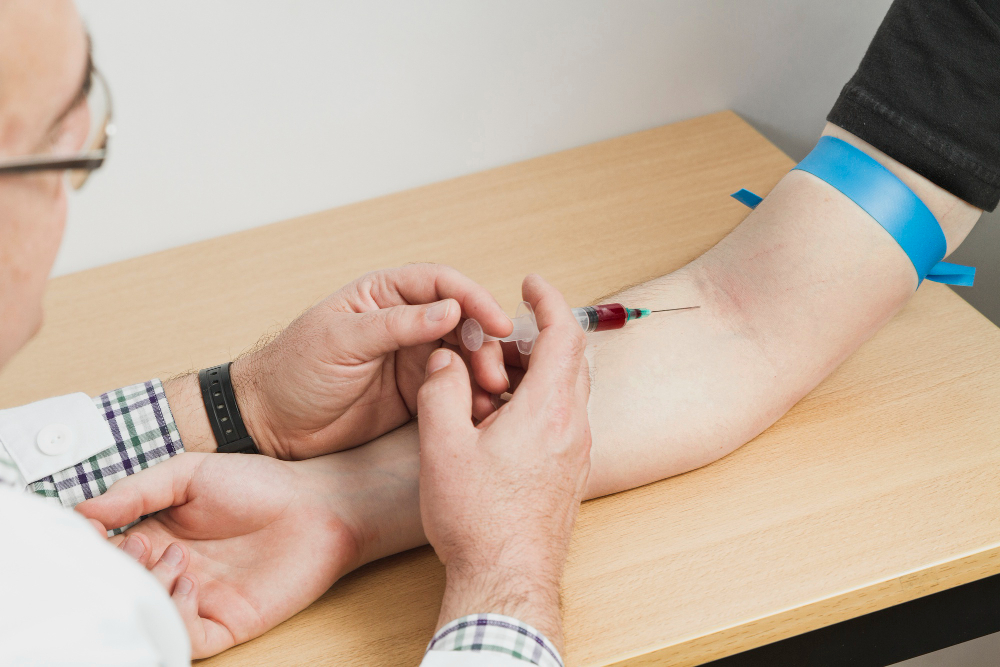
The ASO test procedure is simple and quick. First, a healthcare worker cleans your arm. Next, they use a small needle to take a blood sample from a vein. The blood goes to a lab for testing. Usually, the whole process takes less than 10 minutes. You can return to your normal activities right after the test. No special preparation is needed for the ASO blood test.
Understanding Your ASO Test Results
After the lab checks your blood, your doctor will explain the results. Here is what the results may mean:
However, a high ASO titer test result does not always mean you have a current infection. Sometimes, the body keeps these antibodies for a while. Your doctor will look at your symptoms and other tests before making a diagnosis. According to the World Health Organization, ASO test results should always be discussed with a healthcare provider.
Risks and Precautions
The ASO test is safe for most people. Still, as with any blood test, there are small risks. For example, you may have:
These side effects usually go away quickly. If you have bleeding problems or take blood thinners, tell your doctor before the test.
Frequently Asked Questions
When to Consult a Doctor
If you have symptoms like joint pain, fever, or skin rashes after a sore throat, talk to your doctor. Early testing can help find and treat problems linked to strep infections. Also, if you have questions about the ASO test meaning or your results, your healthcare provider can help explain them.
For personalized advice about the ASO test, consult a healthcare professional at Dr. Yashwant Kushwaha.