
What is a PSA Test?
The PSA Test is a simple blood test that measures the level of prostate-specific antigen (PSA) in your blood. PSA is a protein made by the prostate gland. Doctors often use the PSA blood test to check for early signs of prostate problems, including prostate cancer. Because it is quick and easy, many men choose to have this test as part of their regular health checkups. The PSA Test is also called the prostate-specific antigen test.
Why is the PSA Test Done?
Doctors use the PSA Test for several reasons. First, it helps find prostate cancer early, even before symptoms appear. Second, it can help monitor men who have already been treated for prostate cancer. Third, the test may be used to check for other prostate issues, such as an enlarged prostate or infection. However, not every man needs a PSA screening for prostate cancer. Your doctor will help you decide if it is right for you.
How is the PSA Test Performed?
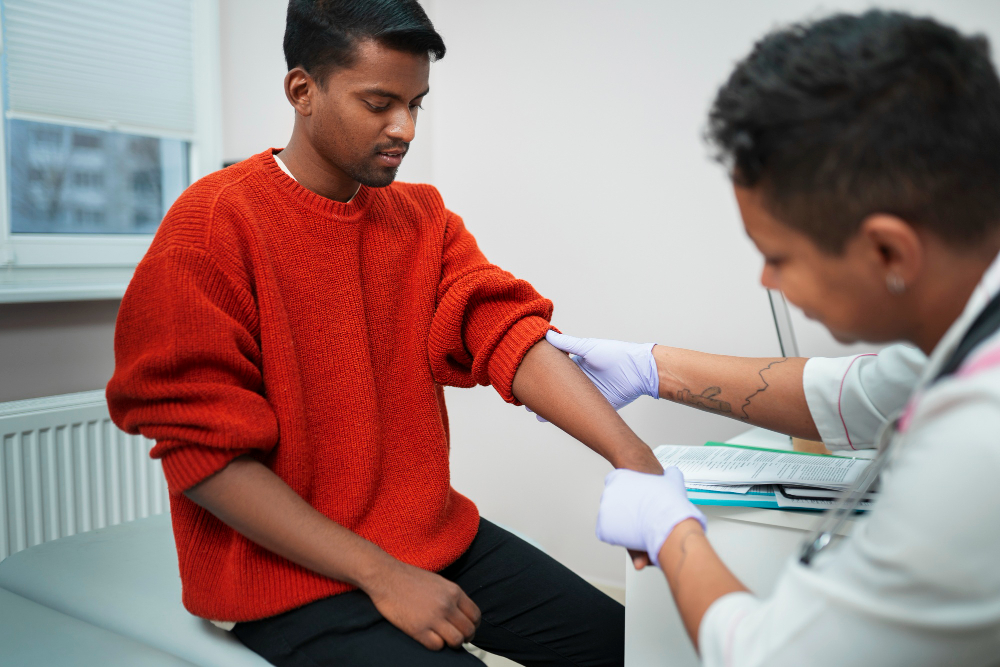
Getting a PSA Test is simple. First, a healthcare worker will take a small sample of blood from your arm. Next, the blood is sent to a lab for testing. You do not need to stay in the clinic after the test. Most people can return to normal activities right away. Because it is a quick process, many men find it easy to fit into their schedule.
Understanding PSA Test Results
After your PSA blood test, your doctor will review the results with you. PSA levels are measured in nanograms per milliliter (ng/mL). Usually, a lower PSA level is better. However, a high PSA does not always mean you have cancer. Sometimes, other conditions can raise your PSA. For example, an enlarged prostate or infection can also cause higher levels. Your doctor may suggest more tests if your PSA is high. Therefore, it is important to discuss your PSA test results meaning with your healthcare provider.
Risks and Limitations of the PSA Test
While the PSA Test is helpful, it has some risks and limits. Sometimes, the test may show a high PSA even if you do not have cancer. This is called a false positive. Other times, the test may miss cancer, known as a false negative. Because of these limits, the PSA Test is not perfect. In addition, some men may worry or feel stress after getting their results. It is important to talk with your doctor about the pros and cons before having a PSA screening for prostate cancer.
Preparing for a PSA Test
Before your PSA Test, you may need to follow some simple steps. For example, avoid heavy exercise or sexual activity for 24 hours before the test. These activities can raise your PSA level. Also, tell your doctor about any medicines you take. Some drugs can affect your PSA results. Because each person is different, always follow your doctor’s advice on how to prepare.
Frequently Asked Questions about PSA Test
In summary, the PSA Test is a simple way to check your prostate health. Because every person is unique, it is best to talk with your doctor about your risks and needs. Consult a healthcare provider at Dr. Yashwant Kushwaha to learn if a PSA test is right for you.