
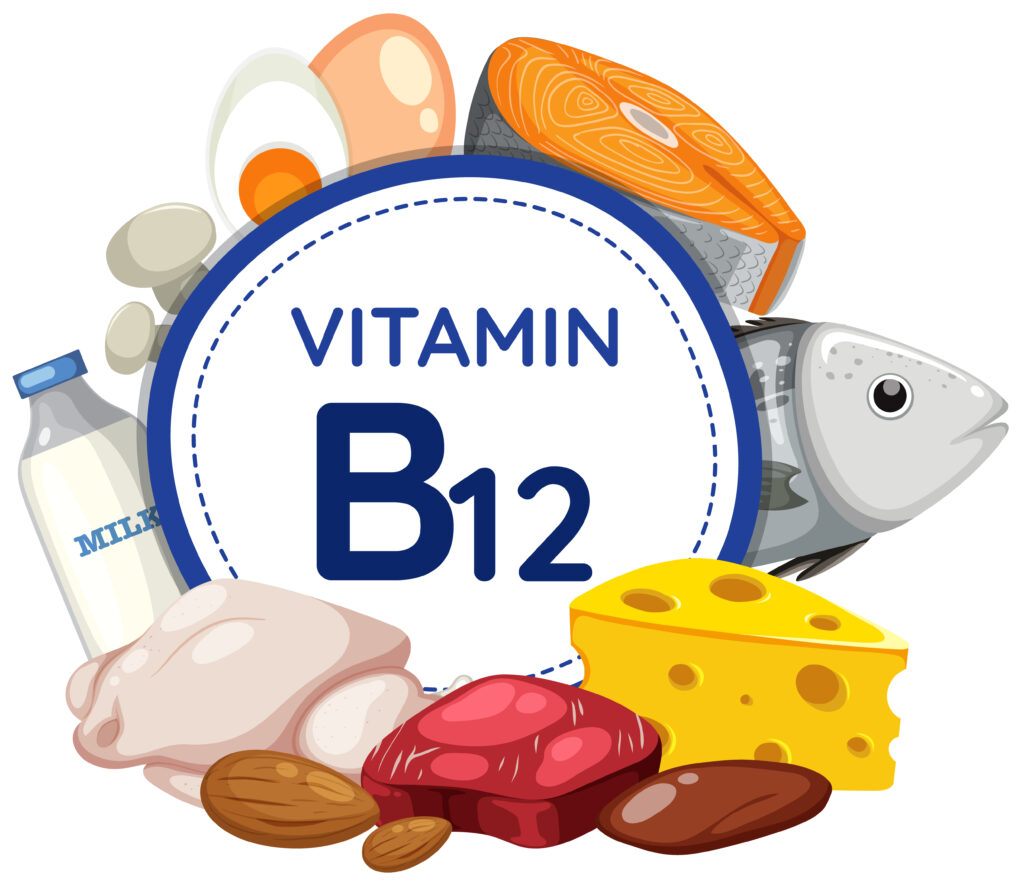
What is Vitamin B12?
Vitamin B12 is a key nutrient your body needs. It helps make red blood cells and keeps your nerves healthy. You can find Vitamin B12 in foods like meat, eggs, and dairy. However, some people may not get enough from their diet. Because of this, Vitamin B12 testing is important for many people.
Why is Vitamin B12 Important?
Vitamin B12 plays many roles in your body. For example, it helps your brain work well. It also helps your body make DNA. Without enough Vitamin B12, you may feel tired or weak. In addition, your nerves may not work as they should. Over time, low Vitamin B12 can cause serious health problems.
Symptoms of Vitamin B12 Deficiency
Sometimes, Vitamin B12 deficiency symptoms are mild at first. But they can get worse if not treated. Watch for these signs:
If you notice these symptoms, it may be time to ask about Vitamin B12 testing.
Who Should Get Tested for Vitamin B12?
Not everyone needs Vitamin B12 testing. However, some people are at higher risk. You should consider testing if you:
For these groups, regular Vitamin B12 testing can help catch problems early.
How is Vitamin B12 Testing Done?
Vitamin B12 testing is simple and safe. Usually, your doctor will order a blood test. Here’s how it works:
Sometimes, your doctor may order extra tests. For example, they might check your folate or homocysteine levels. These tests help give a clearer picture of your health.
Understanding Your Vitamin B12 Test Results
After your Vitamin B12 testing, you will get a number. This number shows how much Vitamin B12 is in your blood. Normal levels are usually between 200 and 900 picograms per milliliter (pg/mL). However, these numbers can vary by lab. If your level is below 200 pg/mL, you may have a deficiency. Levels above 900 pg/mL are rare and may need more tests.
It is important to talk with your doctor about your results. Sometimes, symptoms matter more than the number alone. Your doctor will help you understand what your Vitamin B12 blood test results mean for you.
Treatment and Next Steps After Testing
If your Vitamin B12 is low, your doctor will suggest treatment. Most often, you will take Vitamin B12 supplements. These can be pills, shots, or nasal sprays. For some people, changing their diet helps too. Your doctor will check your levels again after treatment. This helps make sure your Vitamin B12 is back to normal.
If your levels are high, your doctor may look for other causes. Sometimes, high Vitamin B12 is linked to liver or blood problems. However, this is less common.
Prevention and Lifestyle Tips
There are easy ways to help prevent Vitamin B12 deficiency. Try these tips:
With these steps, you can keep your Vitamin B12 at healthy levels.
Conclusion
“Vitamin B12 testing is a simple and effective way to protect your health. It helps identify potential issues early and provides guidance for treatment. If you’re experiencing symptoms or are at risk, don’t wait. Consult Dr. Yashwant Kushwaha for personalized Vitamin B12 testing and expert advice tailored to your health needs.”